THE first thing that catches your attention is the aroma.
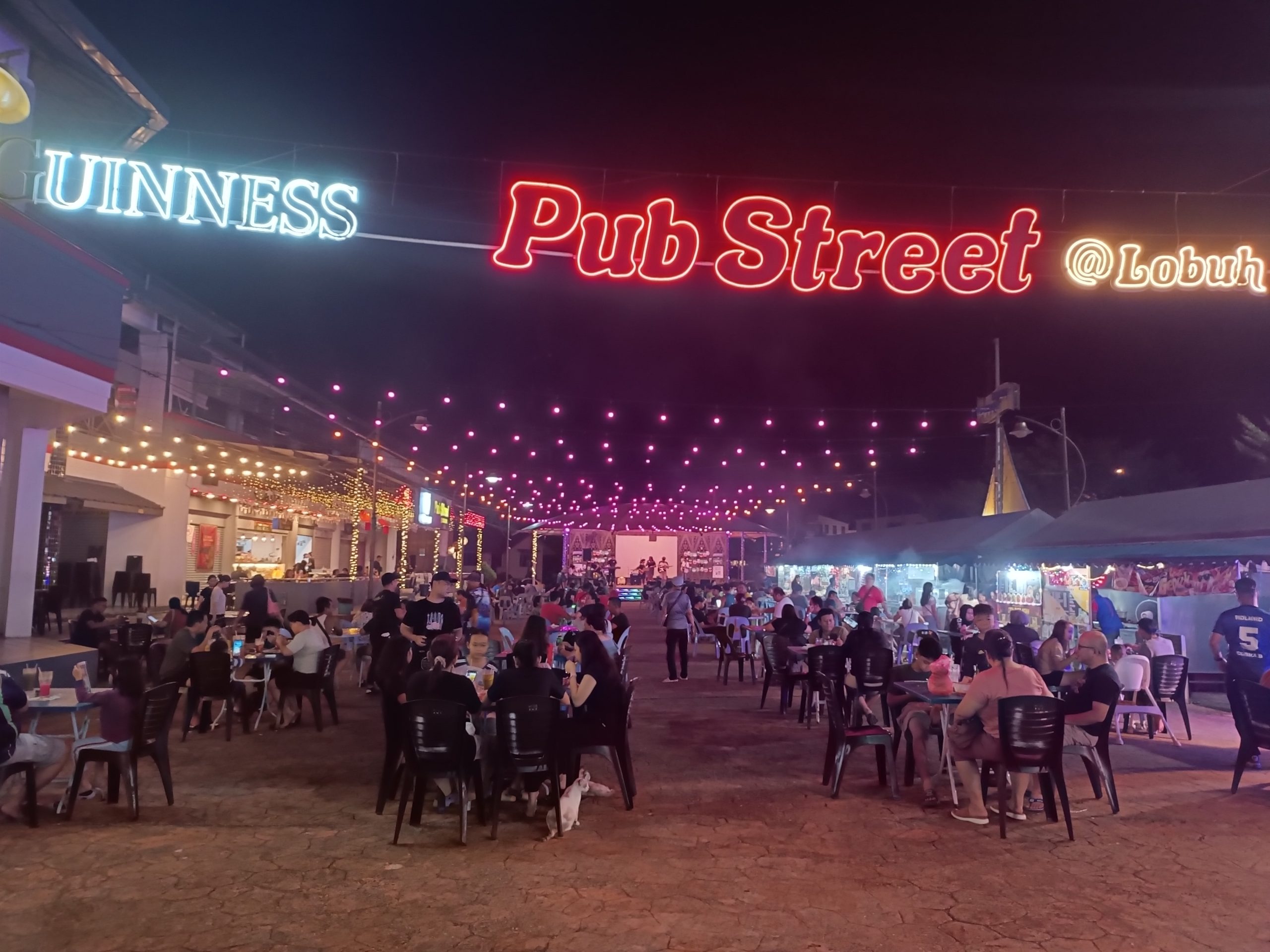
Smoke curls lazily from rows of satay grills as skewers hiss over glowing charcoal. The scent of grilled chicken mingles with sizzling seafood and fried noodles, drifting through the evening air long before visitors reach the centre of town.
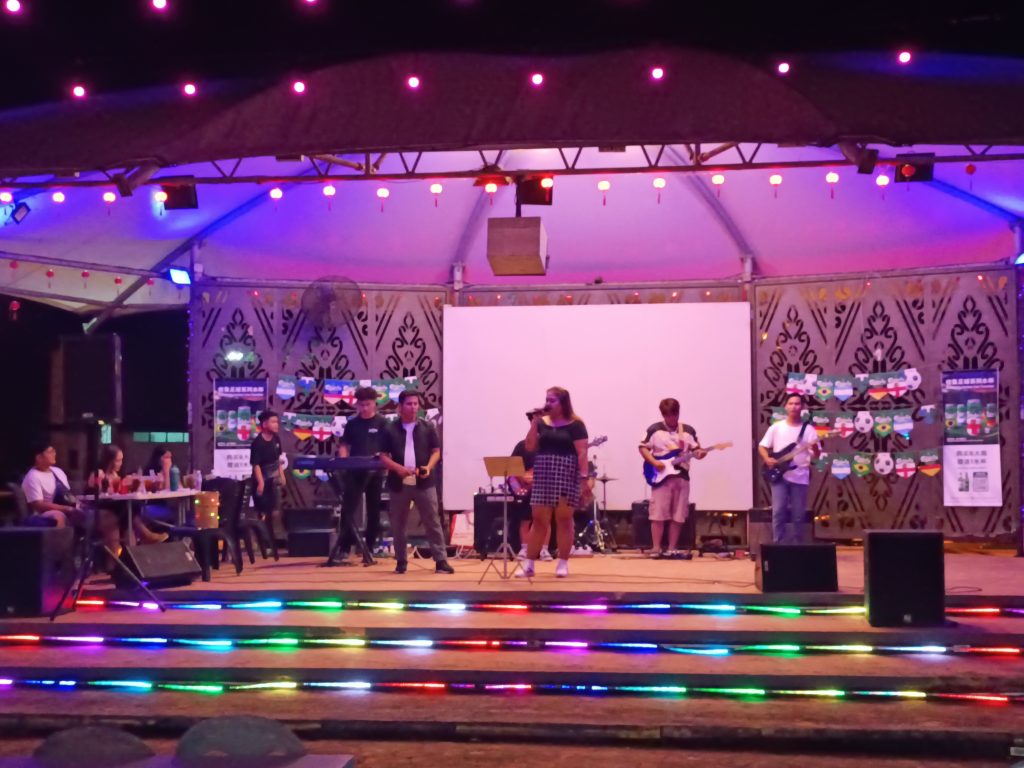
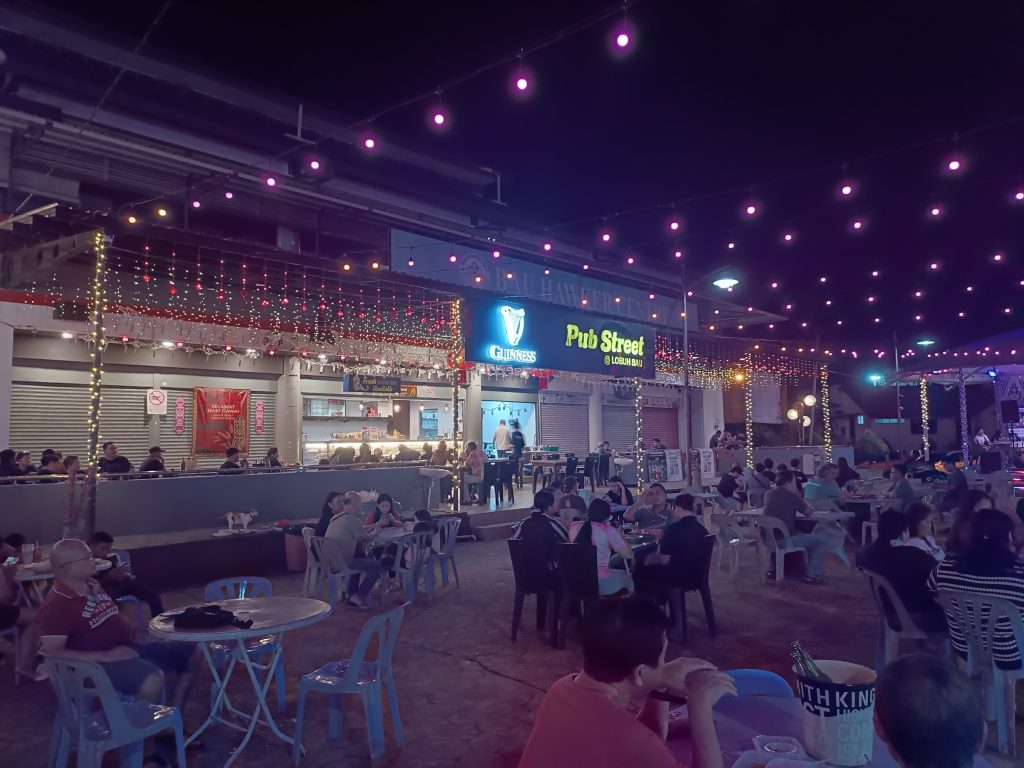
A local band eases into familiar tunes while children weave between tables, parents chat over dinner and groups of friends laugh beneath strings of warm lights. Elderly couples stroll unhurriedly across the open square, pausing to greet neighbours they have known for decades.
By the time darkness settles over Bau on a Friday or Saturday evening, Lobuh Bau is no longer simply a town square.
It becomes the town’s living room.
For a place once described as a “dead town” after lunch, the transformation is remarkable. What was once a quiet public space now pulses with conversation, music, food and movement, drawing residents from across the district alongside visitors from Kuching and beyond.
It is a transformation measured not merely by the number of stalls or visitors, but by something far more meaningful – the return of life to the heart of Bau.
More than a food street
Pub Street at Lobuh Bau officially began operating in April 2022 before its formal launch in July the same year. Its creation marked a deliberate effort to change how people viewed Bau, not just as a historic gold-mining town or gateway to caves and mountains, but as a destination where evenings could be just as lively as daytime attractions.
Speaking during the launch, Deputy Minister for Transport (Riverine and Marine) and Tasik Biru assemblyman, Datuk Henry Harry Jinep, recalled how residents used to lament the town’s lack of activity.
“When I first became assemblyman, many came to me and said that Bau is just like a dead town because there are no activities after two o’clock in the afternoon.
“No activities means no movement and no social and business activities. Today, after five to six years, we have made Bau town a lively town, day and night.”
Those words reflected a broader vision.
Rather than allowing Bau’s commercial centre to empty once government offices and shops closed, the initiative sought to create a vibrant evening economy where local entrepreneurs could flourish while visitors found another reason to spend more time in the district.
The idea was simple but effective: transform a public space into an open-air dining and entertainment hub every weekend.
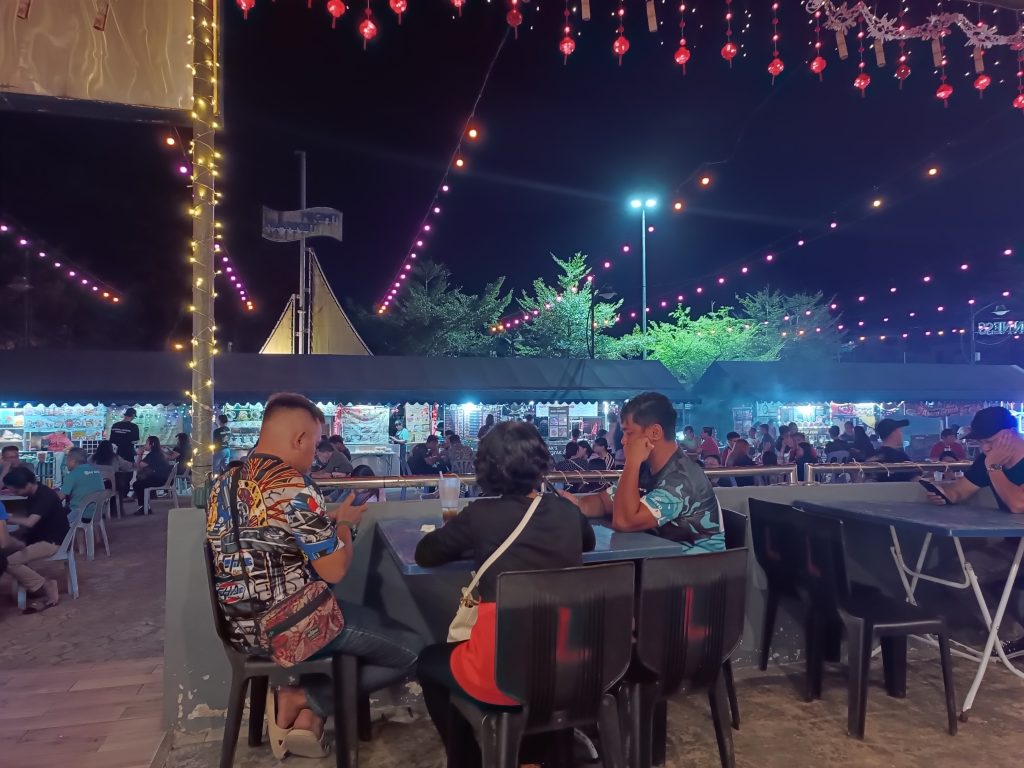
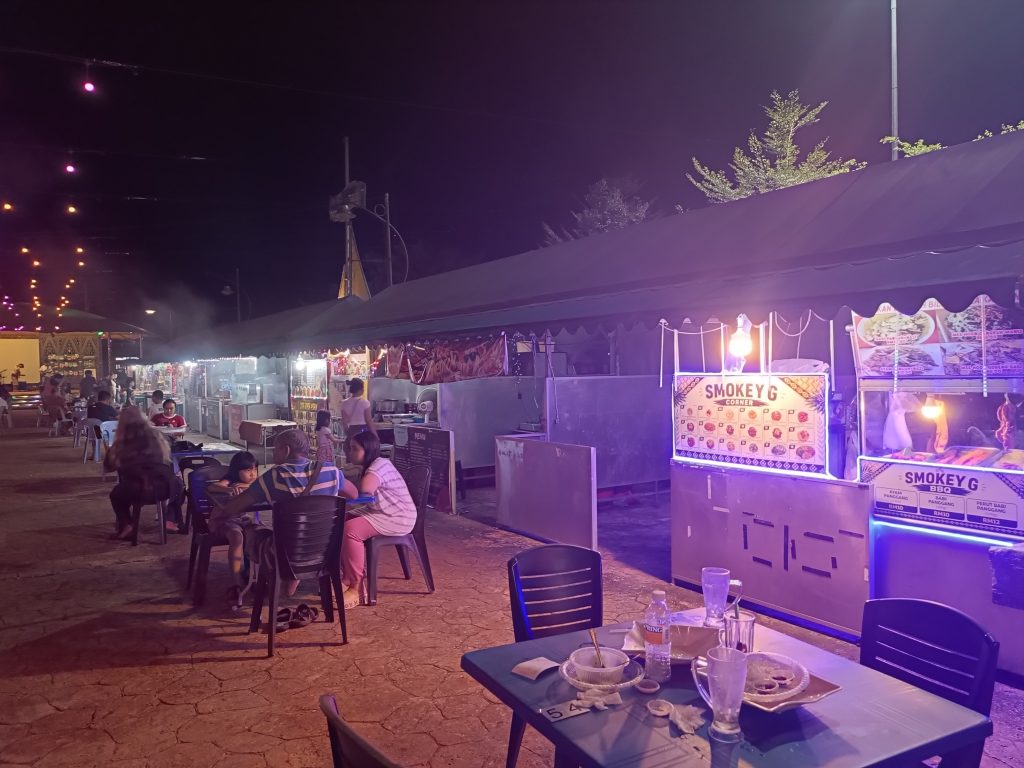
Today, rows of food vendors line the square, families gather for dinner under the stars and live performances provide a festive backdrop that encourages people to linger.
The meaning behind Lobuh
The location itself carries cultural significance.
In the Bidayuh language, particularly the Bau dialect, lobuh means “field” or “open ground”. Historically, such spaces served as communal gathering points where markets, celebrations and social activities naturally took place.
Lobuh Bau continues that tradition.
Instead of serving merely as an open square, it has evolved into a modern community space where people meet, dine, celebrate and reconnect.
On any given weekend, conversations flow effortlessly between generations. Teenagers snap photographs for social media while grandparents watch children play. Tourists sample local delicacies alongside regular customers who know every vendor by name.
In many ways, Pub Street has revived the traditional role of the lobuh as the social heart of the community.
A place where small businesses shine
Behind every food stall lies a story of perseverance.
For many vendors, Pub Street offers more than an opportunity to earn extra income.
It represents visibility.
Every weekend brings hundreds of potential customers passing through a single location, creating opportunities that might otherwise be difficult for small entrepreneurs operating independently.
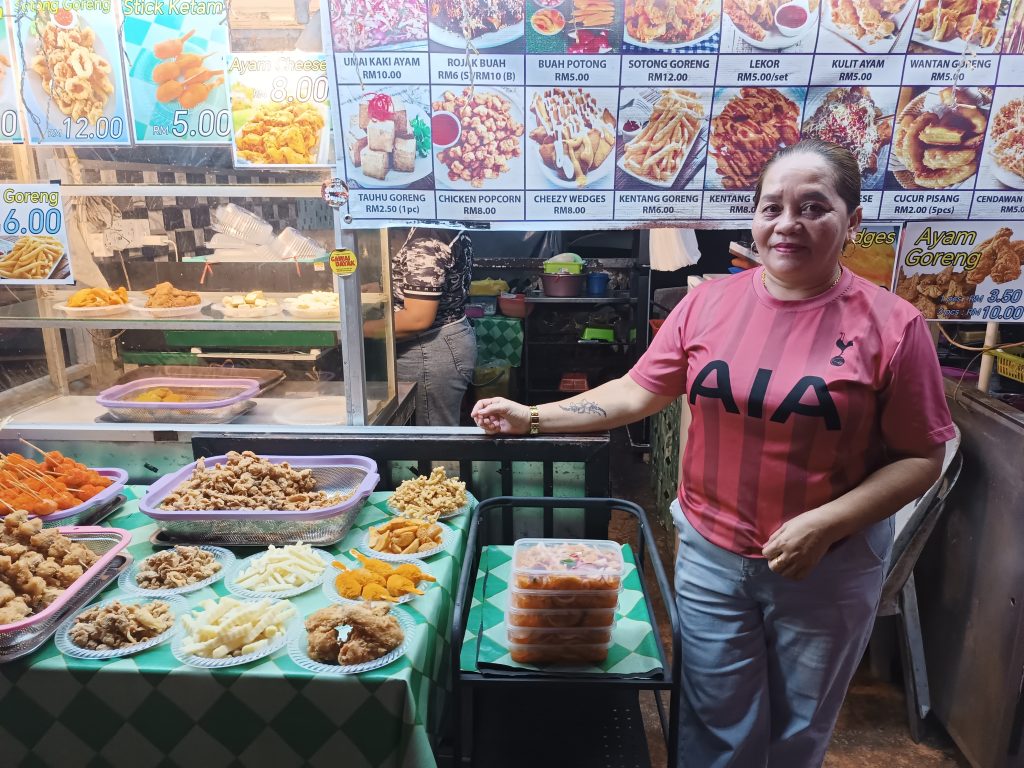
Among them is Lok Lok operator, Nora Ahien, who has been running her stall at Lobuh for the past one and a half years.
She says business is generally good on fine Friday and Saturday evenings when crowds fill the square.
But success, she admits, depends heavily on the weather.
“When it rains, business can become even worse than ordinary weekdays,” she says.
Because Lobuh Bau remains largely uncovered, rain quickly sends diners searching for shelter.
On weekdays, Nora says earnings are often just enough to cover operating costs and workers’ wages. Weekend crowds usually make the difference between merely surviving and earning a worthwhile profit.
Rain, however, can erase those gains within hours.
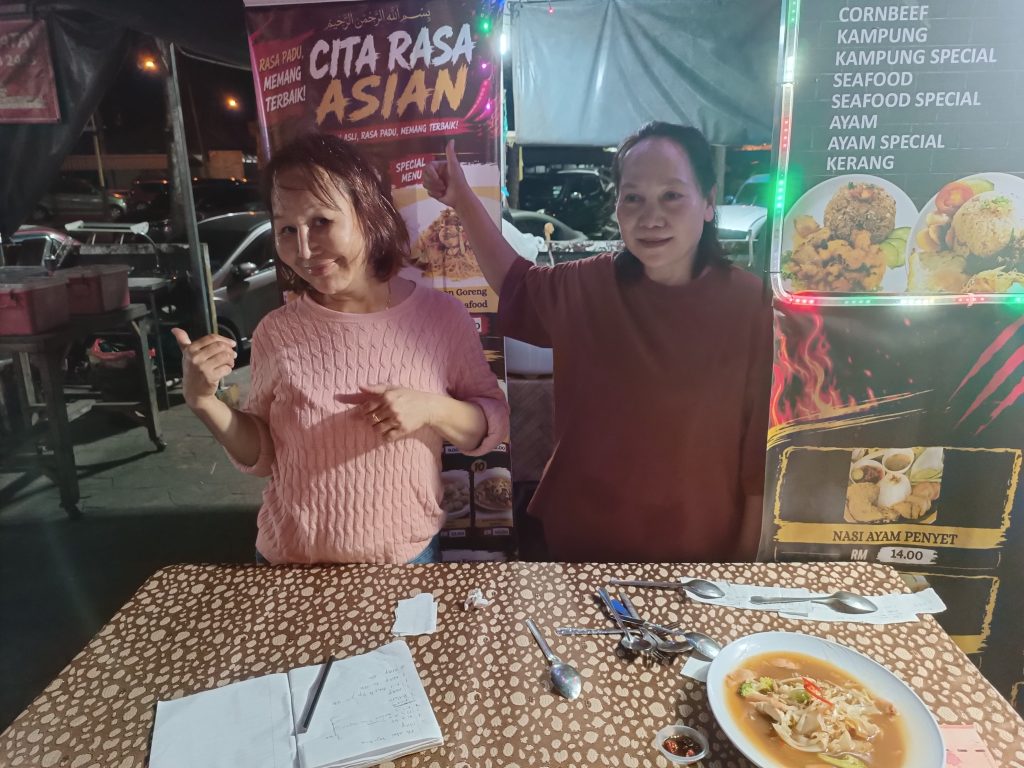
Just a few stalls away, Cita Rasa Asian operator, Siti Mastura, shares similar experiences.
Having operated her business in Miri, she brought her food concept to Bau about seven months ago.
So far, she says, business has been encouraging.
Like Nora, however, she believes weather remains the biggest challenge.
A single downpour can dramatically reduce visitor numbers despite careful preparation and stocked ingredients.
Yet neither operator speaks of giving up.
Instead, both remain optimistic that Pub Street will continue attracting more visitors as Bau strengthens its tourism profile.
Beyond food
While food draws people in, atmosphere is what keeps them returning.
Visitors rarely arrive simply to eat.
They come to spend time.
Street musicians entertain diners with familiar songs. Young couples stroll between stalls sampling local snacks before settling down with cold drinks.
Families who spent the day exploring nearby attractions extend their outing into the evening without rushing back to Kuching or Serian.
The experience feels refreshingly unhurried.
Unlike enclosed shopping malls, Pub Street offers open skies, fresh evening air and a distinctly local character.
Conversations replace traffic noise. Neighbours greet one another. Visitors mingle freely with residents.
For many in Bau, weekend evenings have become a weekly ritual rather than a special occasion.
Building Bau’s tourism identity
Pub Street also complements Bau’s growing tourism ambitions.
The district has steadily developed attractions that celebrate its rich natural and cultural heritage, from the limestone landscapes of Wind Cave and Fairy Cave to the historic gold-mining legacy and vibrant Bidayuh culture.
Yet tourism increasingly depends on offering complete experiences rather than isolated attractions.
Visitors who spend the day hiking, exploring caves or visiting heritage sites now have another reason to remain in town after sunset.
That extended stay benefits restaurants, accommodation providers, if any, and retailers alike.
In tourism terms, every additional hour a visitor spends in a destination increases opportunities for local spending.
Pub Street therefore functions not merely as a food market but as an important component of Bau’s wider visitor economy.
It strengthens the district’s appeal as a weekend destination instead of a short day trip.
The next chapter
Even successful ideas can evolve.
Many vendors and visitors believe several improvements could elevate Pub Street into one of Sarawak’s signature weekend attractions.
Weather protection tops the list. Permanent or retractable roofing over dining areas would help businesses continue operating during rain while providing greater comfort for visitors.
Additional landscaping could further enhance the atmosphere without losing the square’s open-air charm.
More regular cultural performances featuring Bidayuh music and dance, and handicrafts sale may give visitors experiences unique to Bau rather than another generic food street.
A more diverse calendar of weekend events – from food festivals and artisan markets to family activities and community performances – could encourage repeat visits throughout the year.
Digital promotions and stronger links with nearby tourist attractions would also help position Pub Street as a key stop on Sarawak tourism itineraries.
A town that found its heartbeat
Perhaps the greatest achievement of Pub Street cannot be measured in visitor numbers or sales figures.
Its success lies in changing how people feel about Bau.
The town that once emptied after mid-afternoon now welcomes families, entrepreneurs, musicians and travellers long after sunset.
Where silence once settled over the streets, laughter now echoes across Lobuh.
Where businesses once closed their doors early, new opportunities have emerged for local entrepreneurs willing to serve growing weekend crowds.
As another Friday evening unfolds, fresh smoke rises from charcoal grills, live music fills the square and children race across the open field that gave Lobuh its name.
The lights shine a little brighter. The conversations last a little longer.
And in the heart of Bau, a town once described as “dead” after lunch continues proving that communities, like people, can reinvent themselves when given a place to gather, share a meal and simply enjoy being together.